







Search Results for: Rao spin
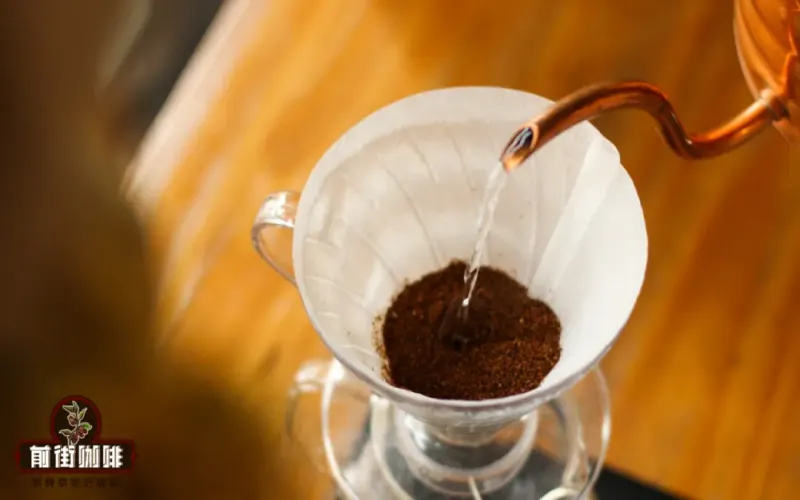
Pour-Over Coffee Water Pouring Techniques Explained: Key Steps of Scott Rao's Spin and Shake Method and Dripper Flow Control Tips
Among the many pouring techniques in pour-over coffee, there is one method that looks quite bold and unrestrained—the Rao Spin, created by coffee industry celebrity Scott Rao. This multi-talented figure—roaster, barista, and author—is renowned in the industry for his books such as The Coffee Roaster's Companion, The Professional Barista's Handbook, and The Coffee Brewer's Handbook. In Rao Spin, "Spin" means to rotate or shake, so Front Street Coffee habitually calls it the Lao-style shaking method. This article will introduce the origins and characteristics of this brewing method, break down its pouring steps in detail, and also discuss the principle behind gripping the dripper to control the flow rate. [more…]
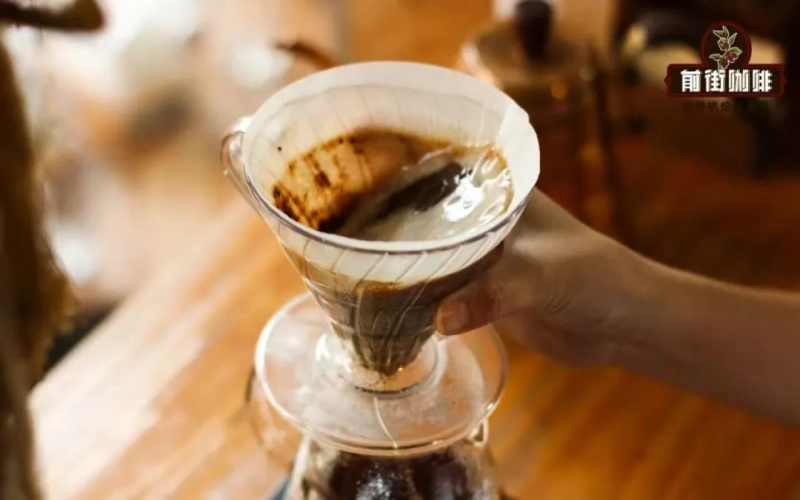
An Analysis of the Rao Spin Pour-Over Method: Features, Key Steps, and a Look at European and American Pour-Over Styles
In the world of pour-over coffee, there are always some distinctive brewing methods that catch the eye. The Rao Spin—the "Rao-style rotation method" shared and popularized by coffee guru Scott Rao—quickly rose to fame for its unique move of picking up the dripper and shaking it during brewing. It looks casual, but behind it lies solid extraction principles. This article will introduce the origins of the Rao Spin, suitable bean types, and equipment selection advice for coffee enthusiasts, and use 15g of Front Street Ethiopia Hachira as an example to fully demonstrate the process from blooming, stirring, and pouring to shaking the dripper, helping you understand this fun and practical pour-over method. [more…]

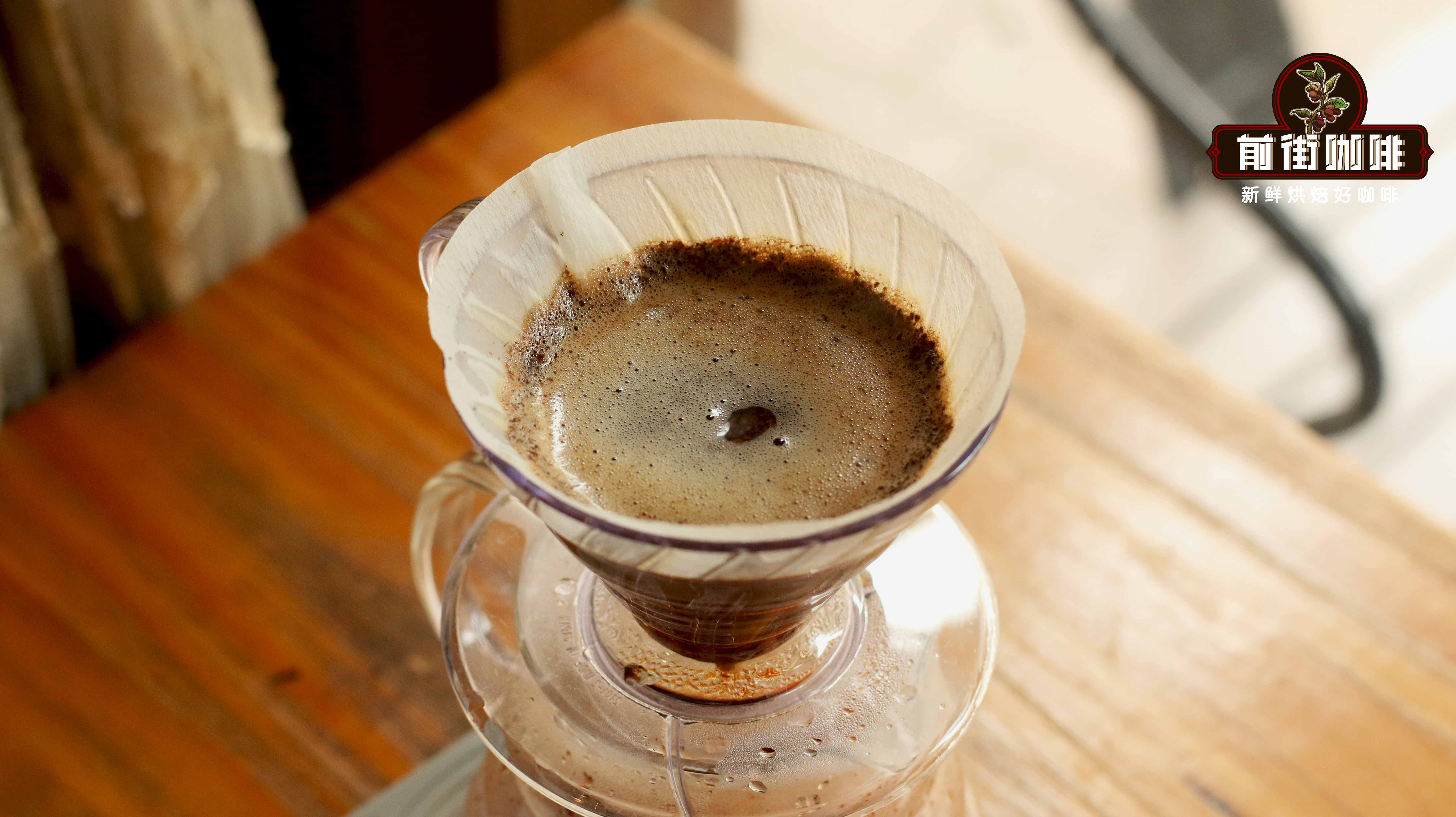
Hoffmann V60 Five-Pour Method Explained: A Practical Guide to Rao Spin with Pulse Pouring
James Hoffmann shared a brewing method on his personal channel that netizens have hailed as the ultimate V60 solution, the core of which lies in dividing the total water volume into five equal pours and introducing Rao-style shaking at the first and last pours. After repeated testing, Front Street Coffee confirmed that this method delivers outstanding results. This article will provide a complete breakdown from principle and parameters to operating steps, including grind size selection, water temperature setting, the pouring rhythm for each stage, and two details that are easy to get wrong in actual practice. The article also records Front Street Coffee's brewing performance using Costa Rica Mirazu Strawberry Candy, and both the final extraction yield and flavor presentation were satisfying. [more…]
A Complete Analysis of Five Pour-Over Coffee Techniques: Detailed Parameters for One-Pour, Three-Stage, Stirring, 4:6, and Kono Methods
Pour-over coffee may seem simple, but in reality every pouring technique brings out a completely different flavor profile. Front Street Coffee's daily in-store offerings uniformly use the three-stage pour, but the baristas know well that changing the pouring height, water temperature, flow rate, or number of stages is equivalent to creating an entirely new brewing method. This article compiles five distinctive pour-over techniques—the one-pour method, the three-stage method, the agitation method (Rao's spin method), the 4-6 method, and the Kono-style method—breaking down their key operational points and suitable scenarios one by one, along with Front Street Coffee's complete brewing parameters, so that coffee enthusiasts can try them at home one by one and, through comparative tasting, find the cup that best suits their own taste. [more…]
Analysis of Flavor Differences Between Pour-Over Coffee and Espresso Machine Output, with Five Front Street Coffee Everyday Bean Recommendations
Around the question of "Is pour-over coffee really better tasting than coffee from a machine?", Front Street conducted experiments comparing the essential differences between the two in aspects such as pouring method and temperature control. Because pour-over coffee allows flexible adjustment of factors such as water temperature, grind size, and pouring technique, it can customize extraction plans for beans with different roast levels, presenting a fuller and clearer flavor hierarchy; whereas the factory settings of a coffee machine limit this flexibility. The article also introduces brewing parameters corresponding to light roast and medium-dark roast beans, and recommends five classic regional representatives from Front Street's everyday beans series for pour-over enthusiasts to practice and explore. [more…]
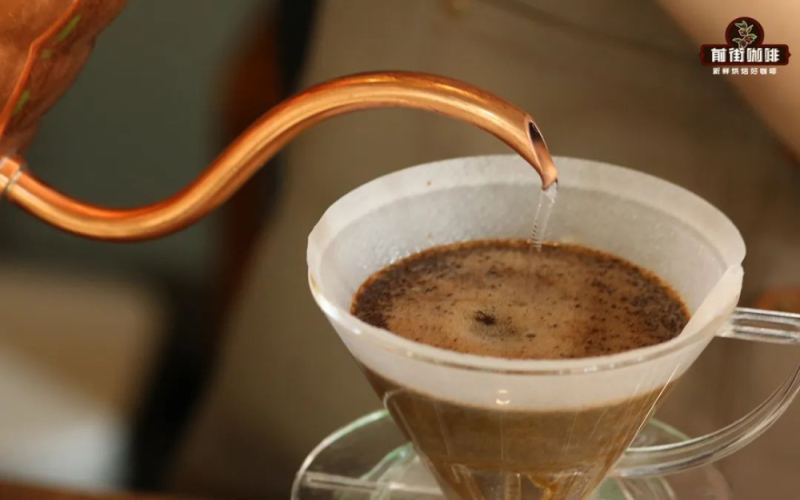
How much does an unlevel coffee brewing device affect extraction results? An in-depth analysis
In the pursuit of an ideal cup of coffee, we often focus on variables such as water temperature, coffee-to-water ratio, and grind size, yet easily overlook a basic but crucial detail—whether the coffee equipment is kept level. In The Science of Coffee Brewing, Scott Rao explicitly points out that keeping the equipment level may seem trivial, but in fact has a decisive impact on the extraction result. When the equipment tilts, the water flow tends toward the lower side due to inertia, causing some coffee grounds to be extracted first, which in turn triggers problems such as channeling, uneven extraction, and even over-extraction. This article will analyze one by one the specific effects of the coffee machine body, the tamping operation, and the levelness of the pour-over dripper on extraction, and provide practical calibration suggestions to help you eliminate this hidden variable in your daily brewing. [more…]
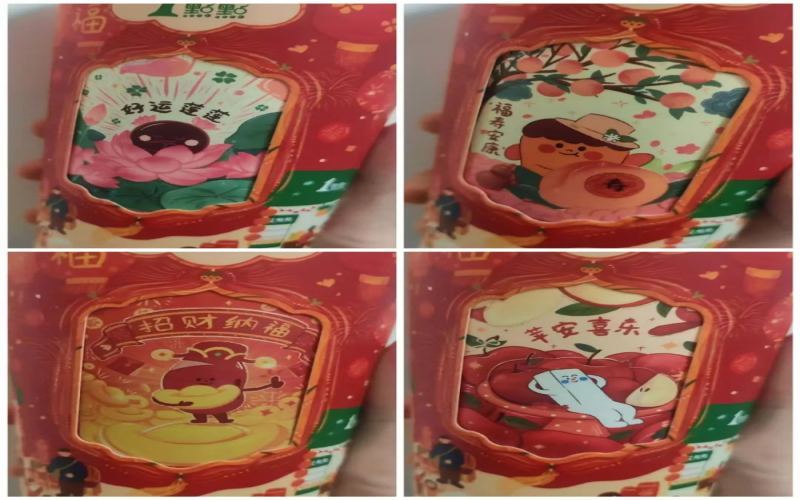
A Little New Year Spinning Cup Limited Release Sparks Controversy: Customer Requests Cup in Notes but Receives Ordinary Cup
During the Spring Festival, major chain beverage brands rolled out limited-edition packaging to create a festive atmosphere. Yidianji's New Year spinning cup won widespread praise on social media thanks to its ingenious design: the cup body can rotate, revealing different blessings through a small cut-out window. However, many consumers specifically placed orders with notes requesting this limited-edition cup, only to receive their drinks in ordinary cups, sparking widespread complaints. The reasons given by stores included that the cup was not suitable for cold drinks, that it was limited to a daily quota, or that it could not be used with the ice cream topping—and some stores simply said they did not have the cup at all. The gap between the brand's statements and the stores' actual execution left expectant consumers confused and disappointed. [more…]
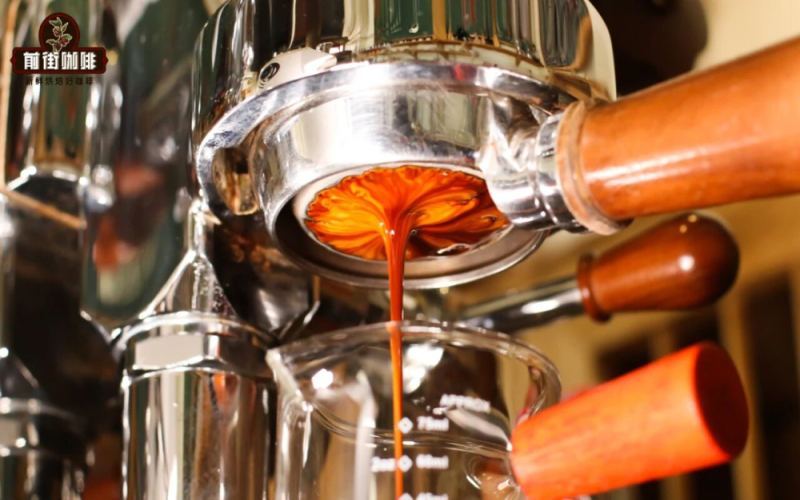
How Does Extraction Water Temperature Influence Espresso Flavor? Analyzing the Ideal Espresso Temperature from Flow Rate Changes to Dose Differences
Many coffee enthusiasts, when discussing espresso extraction, tend to focus on grind size, dose, ratio, and pressure, yet overlook an equally critical variable—water temperature. In fact, water temperature not only influences the direction of coffee flavor but also alters extraction flow rate, and there can even be a temperature difference between the boiler temperature and the water temperature that actually contacts the coffee grounds. This article, from the perspective of Front Street Coffee, systematically examines the mechanism by which water temperature affects espresso extraction, analyzes the pros and cons of high and low temperatures, and, drawing on the hypothetical experiments in Rao's "The Extraction Science of Espresso," explains how to choose appropriate water temperature settings under different dose ratios. [more…]
How Water Temperature Shapes Espresso Flavor, Flow Rate, and Extraction
In espresso extraction, grind size, dose, ratio, time, and pressure are often the focus of discussion, while water temperature is frequently overlooked. In fact, water temperature also has a decisive impact on aroma, flavor, and strength. This article will, from the perspective of Front Street, discuss the setting range of boiler water temperature, the effect of water temperature on flow rate, the difference between boiler temperature and extraction temperature, and why the higher the dose, the higher the preset water temperature needs to be. At the same time, combined with the views in Rao's "Espresso Extraction Science," it gives temperature recommendations for daily extraction and recommends Front Street Classic Espresso Blend coffee beans suitable for a rich, full-bodied taste. [more…]

JJ Lin's coffee brand pop-up returns to Shanghai, mini-program booking system crashes triggering fan complaints
At one in the morning on a cold winter day, a crowd of people stared intently at their phone screens, all to grab a number just to drink coffee on a mini-program—this was not a concert ticket, but a true portrayal of JJ Lin's coffee brand Miracle Coffee's pop-up event in Shanghai. In response to fans' calls, Miracle Coffee returned to Shanghai in the form of a pop-up coffee truck, and launched limited-edition drinks like White Magnolia, blind boxes, and a stamp activity, creating a romantic winter date. However, the official side underestimated fans' enthusiasm: as soon as the mini-program released numbers, they were snatched up instantly, the loading page kept spinning, and the system crash left fans waiting for more than half an hour, with complaints rising one after another. In the past, people scrambled for concert tickets; now, even a cup of coffee requires grabbing a number. JJ Lin fans' absurd life experiences have gained another entry. [more…]

Starbucks' New CEO Makes Debut: China Market Split in Focus, Low-Price Dilemma Remains
After taking office, Starbucks' new leader Brian Niccol issued his first open letter, emphasizing a return to the original aspiration of a community coffee house and to coffee quality. Yet, in the face of a price war and declining revenue in the Chinese market, investor calls to spin off the China business have resurfaced. Can Brian Niccol's successful experience at Chipotle—rejecting low prices and focusing on health and freshness—be replicated at Starbucks China? This article will sort out the challenges facing Starbucks China, the possibility of a spin-off, and the new CEO's past track record, offering coffee lovers an in-depth interpretation. [more…]
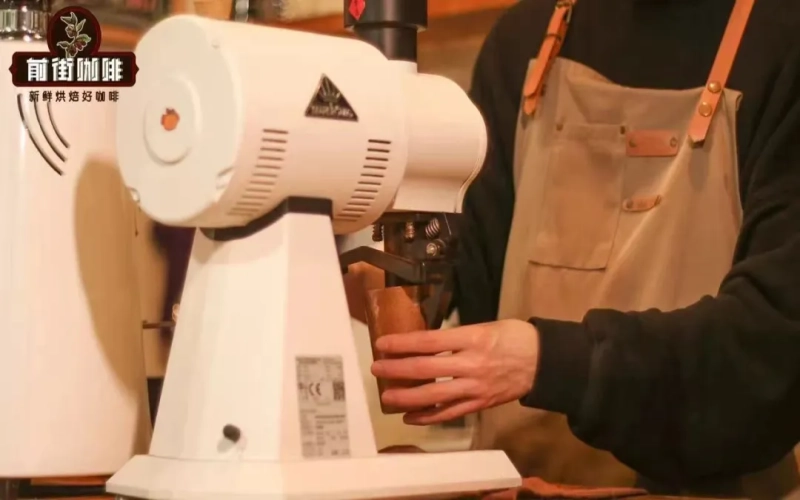
Four Key Details in Using an Electric Grinder: Why It Idles Without Grinding Beans and the Right Way to Clean the Burrs
The coffee grinder is an indispensable piece of equipment in coffee preparation, yet many users are not well enough informed about its daily maintenance and operational details. At Front Street, we frequently encounter customers asking about various grinder issues at our stores, especially the common malfunction of "running idle without grinding beans" and the easily confused concept of "cleaning the grinder." This article systematically outlines four key points worth noting when using an electric grinder: two completely different "grinder cleaning" operations, the correct sequence of starting the machine before adding beans, the necessity of regularly checking the grind size, and the solution to idle running caused by fine powder clogging. Whether you are an espresso enthusiast or a pour-over player, these practical tips can help you extend the lifespan of your grinder while ensuring the stable and clean flavor of every cup of coffee. [more…]

Guming's Spring Festival Spinning Cup Sparks Controversy: Creativity Requires a Cup Sleeve, Missing Accessories at Multiple Stores Draw Consumer Complaints
Guming teamed up with Pan Hu Design Lab to launch a Spring Festival limited-edition "Fortune and Prosperity in Motion" themed packaging. One of the designs, a takeaway cup featuring a rotating interactive element, attracted considerable consumer interest thanks to its novel concept — some customers even placed orders specifically to collect the cup. However, many customers discovered upon receiving the actual product that the snake pattern on the cup body was hard to make out, and rotating the cup to the left as instructed produced no movement at all — a far cry from the dynamic effect advertised by the brand. Guming staff later explained that the rotating effect requires a special cup sleeve to work, and that this sleeve needs to be assembled. Due to the heavy order volume during the Spring Festival, some stores overlooked including it, which significantly undermined the customer experience. The incident sparked widespread discussion online, with some arguing that the promotional materials failed to clearly indicate the importance of the cup sleeve, while others pointed out that stores should ensure all accessories are complete before serving orders. [more…]

The latte art roulette wheel's pointer decides the design, and the barista's stress instantly maxes out
The reason hot lattes captivate so many coffee lovers often comes down to latte art. Tulips, swans—a beautifully poured design never fails to lift the mood. Most of the time, the pattern is left to the barista's discretion, but some baristas compile a menu of designs for customers to choose from. With so many options, some people find themselves spoiled for choice, and so the latte art spinner was born—the customer gives it a gentle spin, and wherever the pointer lands, the barista crafts that design. It's as fun as opening a blind box. The customer has a great time, but the barista may be breaking into a cold sweat: if the spinner lands on a complex pattern they haven't quite mastered, a botched pour would be pretty embarrassing. [more…]
Seven Core Principles for Consistently Great Coffee: A Scientific Brewing Analysis from Dripper Selection to Team Collaboration
Those seemingly casual artistic expressions in coffee shops—tattoos, latte art, a laid-back atmosphere—are actually underpinned by a rigorous set of scientific rules. When baristas have to face the test of producing hundreds of cups every day, consistency becomes the key to whether customers will come back again. This article, from a professional perspective, systematically sorts out seven practical principles for maintaining coffee quality consistency: from valuing the filter basket model and recommended dose, treating the scale as a core tool, to establishing reusable brewing recipes, dealing with the natural variations of blend beans, to facing the reality that pour-over coffee is hard to keep stable, valuing the impact of water quality on flavor, and relying on teamwork to achieve consistently stable output. These rules may seem dull, but they are the cornerstone that makes every cup of coffee trustworthy. [more…]
A Beginner's Guide to Milk Steaming for Latte Art: A Complete Breakdown of Techniques from Theory to Practice
Want to create dense, smooth latte art milk foam at home, but keep getting discouraged by "over-whipped," "separated," or "can't pour a pattern"? Actually, milk frothing isn't as mysterious as it seems. As long as you understand the principles, choose the right tools, and master a few key details, even beginners can produce consistent results. This article starts with the formation principles of milk foam, then breaks down the three major factors in steam frothing: milk, steam wand, and pitcher. It also includes detailed hands-on steps and advanced tips, covering core points such as temperature control, aeration ratio, vortex frothing, and judging integration. Whether you use an espresso machine or a handheld milk frother, you'll find a practice direction that suits you. The article also retains relevant recommendations for the Front Street Coffee brand for coffee lovers to reference when purchasing. [more…]
A Complete Guide to Steaming Milk for Coffee Beginners: Principles, Tools, Steps, and Blending Techniques
To make a velvety, smooth latte or cappuccino at home, steaming milk is an unavoidable fundamental skill. This article starts with the principles of milk foam, first explaining the roles of the two stages—"aeration" and "texturing"—then compares the pros and cons of tools such as electric handheld frothers, manual frothing pitchers, hot/cold electric milk frothers, and espresso machine steam wands, with a key breakdown of the complete steam frothing process. The content covers the effects of milk fat and temperature, the choice of steam wand hole count and dryness, the considerations for pitcher size and shape, as well as practical tips on insertion angle, judging by sound, controlling aeration volume, and testing integration. The article also incorporates recommendations from Front Street Coffee, offering practice suggestions suitable for beginners. [more…]
A Complete Guide to Espresso Distribution and Tamping Techniques: Causes of Channeling and the Path to Even Extraction
To make a proper espresso, tamping and distributing the grounds is an unavoidable key step. Tamp too hard, and water struggles to penetrate the puck, so a thirty-milliliter shot may take forever to finish dripping, and the flavor will naturally be disappointing; tamp too loose, and the high-pressure hot water will wash away the layer of grounds, leaving small perforations and causing uneven extraction just the same. This article explains the difference between light and heavy tamping, the technique and key points of the rotating tamp, and the principles behind how channeling occurs, helping coffee enthusiasts understand how to make the puck density consistent and the surface level, so that hot water passes through evenly and fully extracts the aromatic compounds. The article also specifically draws on the practical experience of Front Street Coffee to provide beginners with actionable tamping advice. [more…]
The Complete Guide to Steaming Milk for Espresso Machines: From Beginner Steps to Milk Froth Texture Assessment and Latte Art Techniques
Want to make a latte at home with an espresso machine? Steaming silky, smooth milk foam is a key step. Many people think steaming milk is as simple as sticking the steam wand into the milk, but in practice they often run into problems like splashing milk, coarse foam, and overheated milk. This article starts with how to use the steam wand correctly and then breaks down the complete milk-steaming process step by step, including how to purge condensate from the wand, how to find the right air-intake position, when to bury the nozzle deeper, and what temperature range is most suitable. It also shares tips for judging foam quality and things to watch out for in the daily cleaning of the steam wand. The equipment-selection advice and operating details mentioned in the article are useful reference for both beginners and advanced enthusiasts. [more…]

A Taipei café's menu homepage lists ten house rules, leaving customers scratching their heads and sparking online debate over their reasonableness.
Recently, a netizen shared that a coffee shop in Taipei printed a full ten store rules densely on the first page of its menu, sparking heated discussion. Among them, clauses like "vomiting incurs an additional cleaning fee of NT$2,000 per person" and "leaving for 10 minutes recalculates the minimum spend" left some customers complaining of a headache. However, many netizens expressed understanding, believing that such rules often stem from the shop's bitter experiences, and that stating the rules upfront benefits both sides. Independent cafes maintain their environment through store rules, while chain stores rarely have such regulations, yet uncivilized behavior such as occupying seats and making noise still occurs from time to time. This discussion reflects the two-way selection relationship between cafes and customers. [more…]